


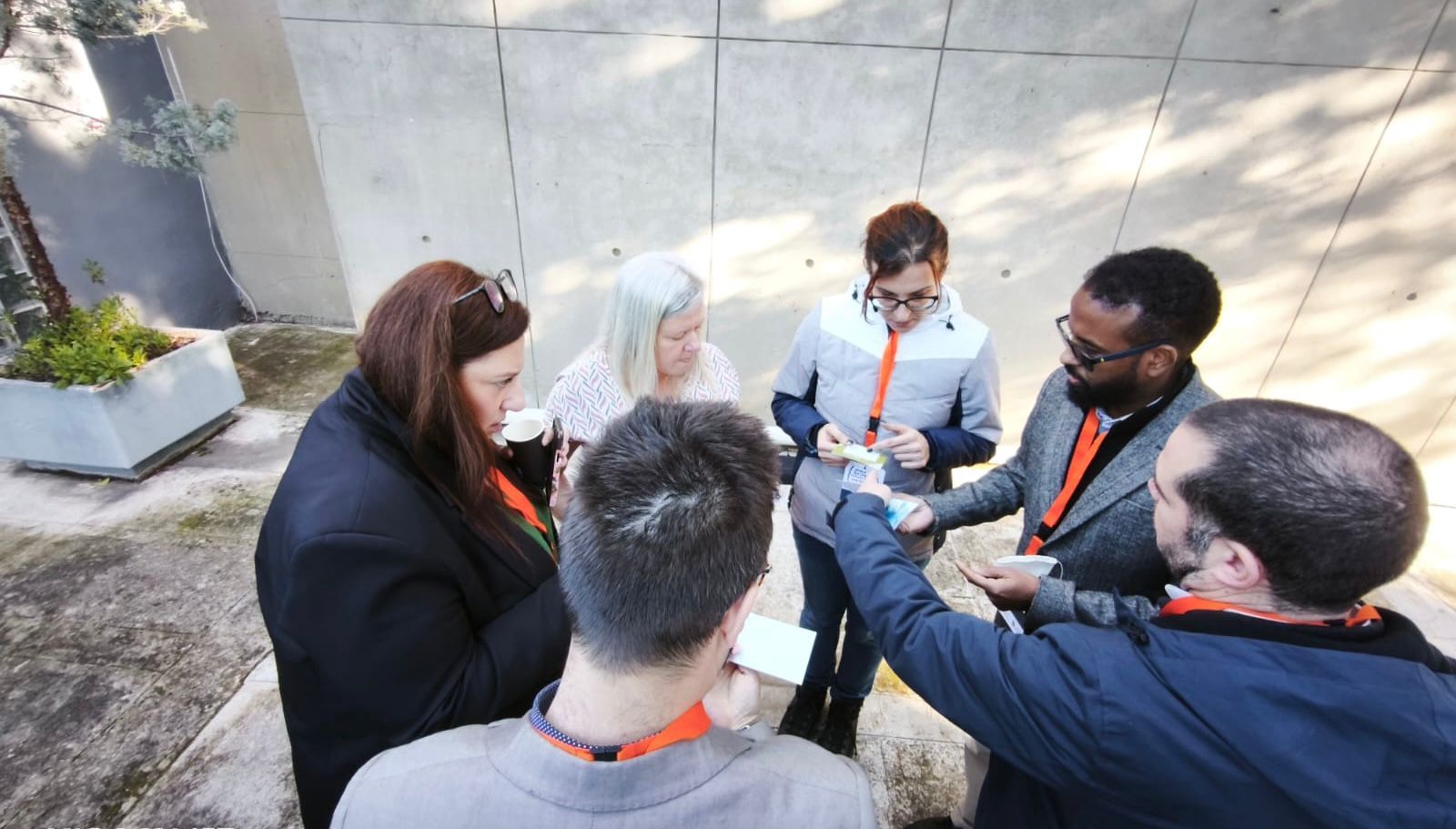
From strategic discussions on climate-related security risks to hands-on workshops and visits to cutting-edge research facilities, the European Security and Defence College (ESDC) course “The Implications of Climate Change, Environmental Degradation and Exploitation on International Peace, Security and Defence” brought together experts, policymakers, researchers and practitioners to explore one of today’s most pressing global challenges.
Hosted in Greece by NCSR “Demokritos”, co-organised with The American College of Greece and the Center of Excellence in Sustainability at The American College of Greece, and held under the aegis of the European Security and Defence College (ESDC), the three-day course provided a multidisciplinary platform for dialogue, knowledge exchange and collaboration between civilian and military communities.
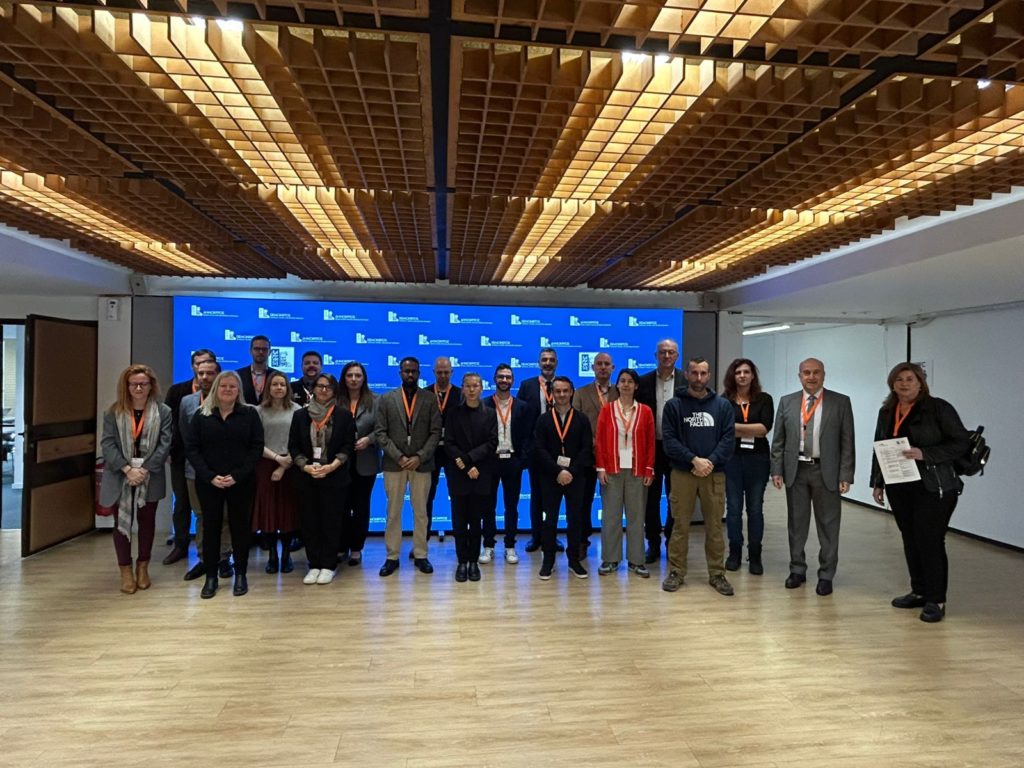
Day 1: Setting the Strategic Framework
The course opened with a focus on the strategic dimensions of climate change and environmental security, examining how climate-related challenges increasingly influence international peace, security and defence.
Participants had the opportunity to hear from an outstanding panel of experts, including:
- Dr. Konstantinos Eleftheriadis, Director of IPTA, NCSR “Demokritos”
- Esther Breffka, Climate Security Coordinator, European Security and Defence College
- Dr. Georgios Amanatidis, EU Policy Expert
- Dr. Emma Hakala, Leading Researcher, Finnish Institute of International Affairs
- Dr. Nikolaos Lampas, Associate Professor of International Studies, The American College of Greece
The first day combined keynote presentations with an interactive group exercise based on real-world scenarios, encouraging participants to examine the evolving relationship between climate change, environmental degradation and international security.
Day 2: From Understanding Risks to Building Resilience
Building upon the strategic framework established on the opening day, the second day shifted towards practical approaches to climate risk reduction and resilience.
Sessions focused on civil–military coordination in disaster management, drawing valuable lessons from the 2023 Rhodes wildfires and highlighting the importance of integrated responses to increasingly frequent climate-related crises.
Participants also engaged in the interactive Climate Defence Fresco workshop, exploring how climate-security considerations can be effectively incorporated into everyday policy-making and professional practice.
Day 3: Innovation in Action
The final day connected policy discussions with technological innovation through a study visit to NCSR “Demokritos” and Lefkippos Attica Technology Park.
Participants explored research infrastructures and deep-tech solutions addressing climate resilience, energy security and defence, including:
- Hydrogen technologies
- Zero-emission mobility
- Carbon capture technologies
- Energy resilience solutions
Particular emphasis was placed on the Innovation Accelerator@Demokritos, part of the NATO DIANA programme, which supports the development and acceleration of dual-use technologies capable of addressing both civilian and defence needs.
The course concluded with participant presentations, evaluation sessions and closing reflections, reinforcing the importance of interdisciplinary collaboration in tackling climate-related security challenges.
Bringing Together Science, Policy and Defence
The success of the course was made possible through the contributions of distinguished speakers, experts and facilitators, including Dr. Athanasios Stubos, Dr. Emma Hakala, Dr. Ilias Argyris, Admirela Ancion, Hassan Mao, Dr. Nikolaos Lampas, George Tzamalis, Col. Nikolaos Mengos, Vasilis Stenos, Varvara Vasilaki, and Esther Breffka, whose expertise greatly enriched the discussions throughout the programme.
As climate change increasingly shapes the global security landscape, strengthening cooperation between research institutions, policymakers, defence organisations and innovation ecosystems is becoming more essential than ever.
By bringing together diverse expertise, practical experience and technological innovation, the ESDC course demonstrated that addressing climate-security challenges requires not only scientific excellence, but also collaboration across disciplines, institutions and national borders. NCSR “Demokritos” is proud to have contributed to this important initiative and looks forward to supporting future actions that advance resilience, innovation and international cooperation.


SOCIAL CONNECT